Key Takeaways:
Beauty innovation has firmly focused on improving human skin. But as the global beauty and wellness market becomes increasingly saturated, a quieter, more emotionally driven frontier is emerging: pets. As the birthrate declines and more millennials and Gen Zs identify themselves as DINKs (Dual Income, No Kids), people's pets are increasingly becoming their primary emotional and financial dependents.
From skincare and supplements to fragrance and AI diagnostics, pet wellness is fast becoming beauty’s next growth engine. Brands are beginning to treat animals not as an afterthought but as equal participants in the self-care economy. Which makes this author question, am I a bad dog owner for not giving my cavapoo a signature scent?
The global pet perfume market alone is expected to reach $2.7 billion by 2034, signaling rising demand for sensorial and wellness-driven pet products that extend beyond functional grooming. This shift is underpinned by the fact that 75% of US millennials consider pets part of their family, and over half are willing to reduce personal spending to prioritize their pet’s quality of life.
The surge in pet wellness and beauty innovation has roots in China’s rapidly evolving pet economy, where cultural and demographic shifts have transformed animals from utilitarian companions to family members and lifestyle consumers. China’s pet market has expanded into a multibillion-dollar sector, driven by products ranging from smart health devices to luxury accessories. Expressions of emotional care and identity are prioritized, with projected values expected to rise as pet ownership grows alongside declining marriage and birth rates.
Furry Fragrances
While OUAI and Kiehl’s launched scented pet grooming lines that mirror their human hero products, luxury pet skincare startup DOG is pet-forward wellness. Founded by veterinarian Dr. Lisa Chimes, DOG has raised millions to bring skinification into pet routines, offering everything from three different scented colognes ($20 USD each) to supplements such as omega-3 drops ($39 AUD, $26.07 USD). Built around targeted grooming sets for concerns such as coat care (from $125 USD), detangling ($108 USD), and skin sensitivity ($110 USD), the brand launched after Dr. Chimes faced years of being unable to find dog-grooming products that were natural, gentle, and family-safe. DOG by Dr. Lisa is sold DTC through Chewy.com, Petco, David Jones, and Harrods.
Sunny Side Up (SSUP) is a Korean-born brand redefining what pet care looks like when beauty, technology, and lifestyle collide. Founded by former K-beauty executive Avril Han, SSUP was built on a radical idea: If humans benefit from clinically backed skincare, why shouldn’t animals? With fragrance formulations that calm anxious dogs or attract cats using catnip-based notes ($19.99), the brand blurs the line between pet wellness and fine fragrance. Its Gen Z aesthetic and experiential pop-ups have transformed pet care into a desirability-driven category.
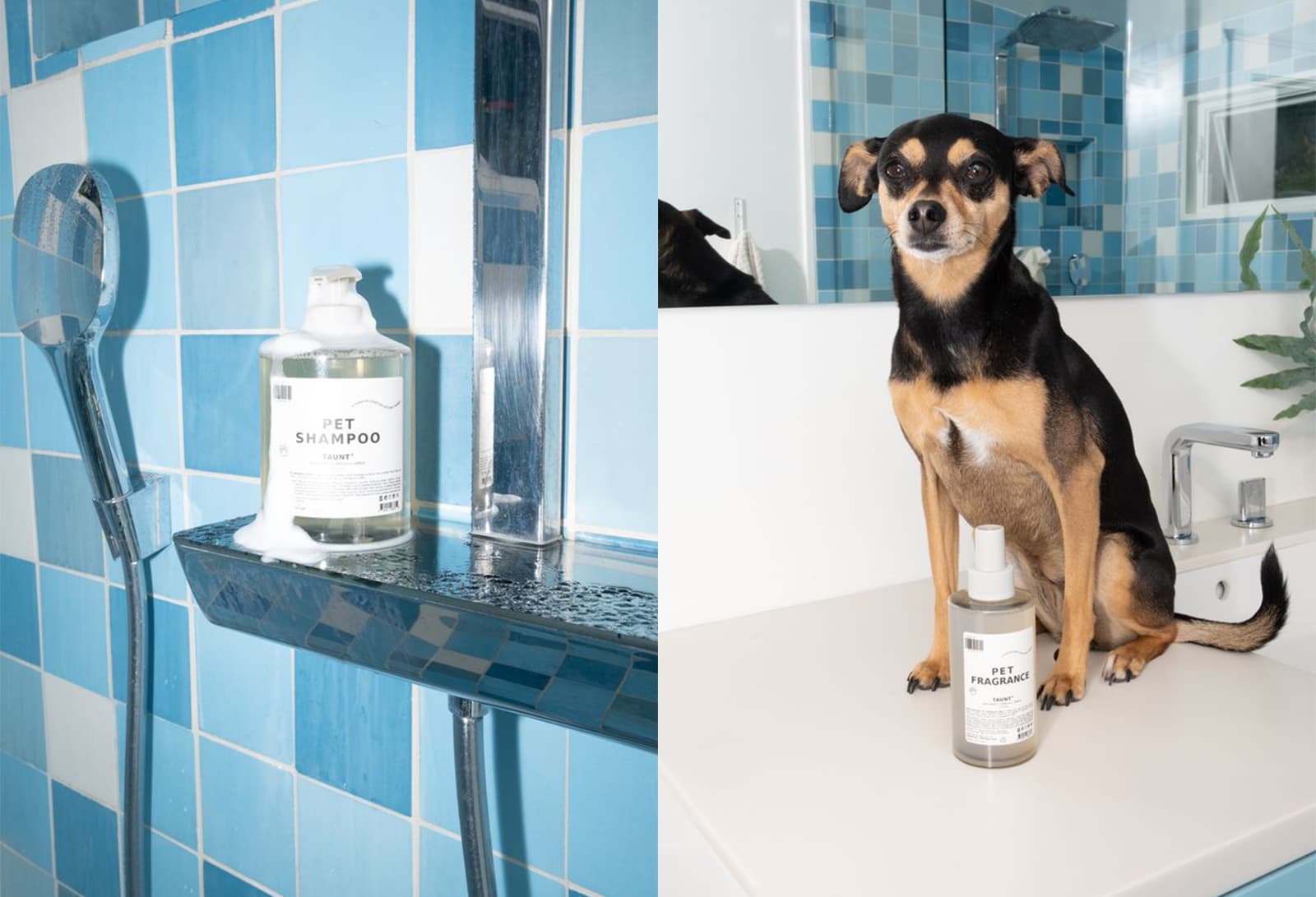
DedCool extended its cult Taunt scent into pet-safe shampoos and fragrances. The Pet Bundle (£123, $165.50), reflects the broader calibration of what fragrance now represents in contemporary life. As consumers increasingly seek cohesion between personal ritual and their domestic environments, DedCool positions scent as a lifestyle infrastructure. “We believe in the power of scent, and that it should be extended to all touchpoints across your life—not just yourself, your home, your laundry, etc., but even your furry friends,” Carina Chaz, founder and CEO of DedCool, said in a statement to BeautyMatter. This framing elevates pet fragrances beyond grooming into a form of emotional continuity, allowing consumers to embed their signature scent into every layer of daily life, including their animals. DedCool aligns pet care with the logic of modern wellness culture; now consumers can match their Jack Russell Terriers with their laundry detergent with a Pet Fragrance costing £23 ($30.94) and the matching Pet Shampoo (£32, $43.06, or the refill pouch £62, $83.48).
DedCool’s pet line also highlights the accelerating premiumization of the pet sector and the growing overlap between human and animal beauty consumption. The brand confirms that crossover purchasing behavior is already shaping demand. “We are seeing rapid growth in terms of the percentage of customers that are coming to us and purchasing into multiple categories beyond just traditional fragrance,” said Chaz. “So that their signature DedCool scent can show up in their lives across a variety of mediums (pet care included!).”
DedCool understands how pets are being incorporated into consumers’ core identity rituals. The pet products aren’t a novelty or niche. “The pet industry is growing fast,” said Chaz. “We’ll continue seeing an uptick in premium pet offerings.”
Luxury fashion house Dolce & Gabbana (D&G) stepped into the pet wellness arena with Fefé ($108), its first fragrance mist formulated specifically for dogs, inspired by co-founder Domenico Dolce’s own canine companion. Designed with a vet-friendly, alcohol-free formula and certified under Safe Pet Cosmetics standards, the scent blends ylang-ylang, musk, and sandalwood into a warm, delicate profile that offers both odor control and an elevated sensory experience for pets and owners alike. The perfume is housed in a lacquered bottle adorned with a 24-carat, gold-plated paw motif, reflecting D&G’s signature opulence while signaling a growing trend of luxury brands extending lifestyle categories into pet care. Fefé exemplifies how premium fragrance houses are reimagining sensory routines for four-legged family members amid a booming global pet market.
Tech Meets Wagging Tails
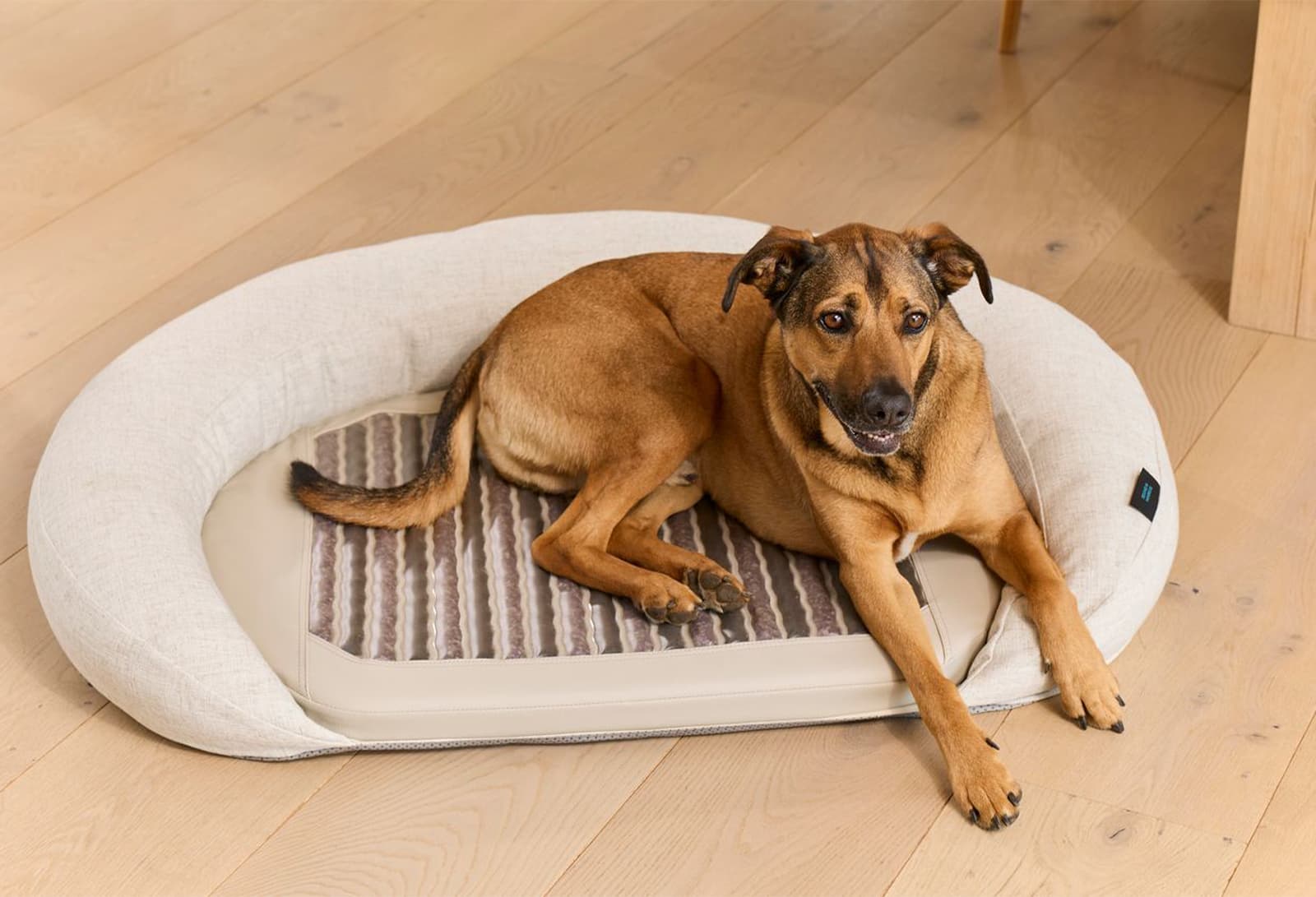
Pet wellness is not limited to fragrance and shampoo. Biohacking wellness brand HigherDOSE officially positioned its longevity philosophy to go beyond humans with the launch of its infrared pulsed electromagnetic field therapy (PEMF) Pet Bed (small/medium $599 or medium/large $749), marking a significant step in the evolution of premium pet wellness. Known for bringing infrared and PEMF technologies into mainstream wellness conversations, the brand applied those same therapeutic frameworks to animals, positioning the beds as active participants in the longevity economy. The Pet Bed fuses PEMF therapy with infrared heat to support circulation, recovery, relaxation, and cellular repair, offering six veterinary-trusted frequencies and customizable heat settings.
HigherDOSE’s move was rooted in changing consumer behavior. “Pet parents are now investing in their animals the same way they invest in themselves,” said a HigherDOSE representative in a statement to BeautyMatter. Post-pandemic, pets had become “emotional anchors,” driving demand for science-backed products that support calm, comfort, and healthy aging. Importantly, HigherDOSE brought human-grade safety standards into a largely unregulated category, engineering the Pet Bed with low-electromagnetic field (EMF) output, medical-grade materials, veterinarian review, and third-party EMF testing.
Pet care and technology come in the form of smart collars, with products like the Fi Series 3+ AI-powered dog collar leading the way in real-time health and behavioral tracking. More than a GPS tracker, the collar uses AI to monitor activity, rest patterns, eating, drinking, and behaviors like barking or scratching, offering owners insights into their dog’s well-being via a connected app and wearable integrations like the Apple Watch. With enhanced satellite-based GPS and long battery life, this tech aims to give pet parents peace of mind about safety, fitness, and behavioral trends in one comprehensive device.
Holistic Hounds
Carving out a niche in the pet wellness landscape is aromatherapy, with brands and holistic practitioners adapting human-centered botanical remedies to support animals’ emotional and physical well-being. Bach Flower Remedy Pet Rescue is a plant-based formula designed to help pets cope with stressors like travel anxiety, loud noises, or behavioral agitation. Developed from the same flower essence philosophy used in human aromatherapy, Pet Rescue uses gentle, aromatic extracts intended to support emotional balance without sedation, making it appealing to owners who prioritize natural care.
Pheromone-based diffusers are another pet wellness category reflecting the adoption of calming technologies and aromatherapy-style interventions designed to support animals’ emotional states. Brands like TheraPetMD have popularized pheromone-based diffusers that emit natural calming signals intended to reduce stress-related behaviors such as anxiety, barking, marking, and restlessness in both dogs and cats, creating a more peaceful home environment without drugs or sedatives. The brand claims the plug-in diffusers improve tension and behavioral issues within weeks.
Alongside product innovation, the shift toward holistic pet wellness is also reshaping how owners seek care beyond the traditional vet paradigm. Organizations like Pawra (Pet and Animal Wellness Resource Alliance), in Chiswick, London, promote integrative, whole-animal approaches that encompass nutrition, behavioral support, bodywork, and emotional well-being. These holistic care centers and networks advocate for a more nuanced understanding of animal health, blending conventional veterinary medicine with complementary modalities such as massage, acupuncture, therapeutic play, and environmental enrichment to support pets’ physical and psychological balance.
Bet on the Pets
In a sign that the beauty world’s gaze is shifting beyond human-centered self-care, industry heir Jane Lauder recently announced that her next big move after stepping down from The Estée Lauder Companies will involve strategic investments in pet-focused startups. The petification of beauty is no longer a poodle in a park full of Great Danes. Lauder’s decision to back ventures outside traditional cosmetic categories reflects wider market dynamics where emotional, lifestyle-driven consumption blurs the lines between human and animal care. Lauder’s pivot aligns with broader industry trends where legacy beauty players are being pulled towards new spaces of development.
With rapid growth comes inevitable scrutiny. As pet grooming, fragrance, and skincare evolve from novelty accessories into the serious wellness extensions of the beauty industry, regulatory infrastructure is beginning to follow. A new wave of US startups is working to apply EU-level cosmetic safety and ingredient standards to the largely unregulated pet care category, a significant shift in a market long dominated by loosely monitored formulations and ambiguous claims. This push toward clinical testing, transparent ingredient sourcing, and human-grade manufacturing is helping to professionalize the space, reinforcing consumer trust and positioning pet beauty as a legitimate wellness vertical rather than a gimmick-driven subculture. In doing so, it also opens the door to prestige beauty players to enter the category with confidence, knowing compliance, safety, and efficacy are finally becoming part of the conversation.
What is unfolding is no longer a novelty trend; instead, pet wellness is redefining the beauty and personal care industries. As pets become emotional companions, lifestyle extensions, and wellness dependents, they are being absorbed into the same aspirational systems that once reshaped human skincare, fragrance, and longevity culture. From signature scents and infrared therapies to AI diagnostics and clinical-grade formulations this represents a powerful new growth frontier while reframing care that recognizes animals as sentient participants in modern wellness rituals. Beauty’s next evolution is focused on our four-legged friends.